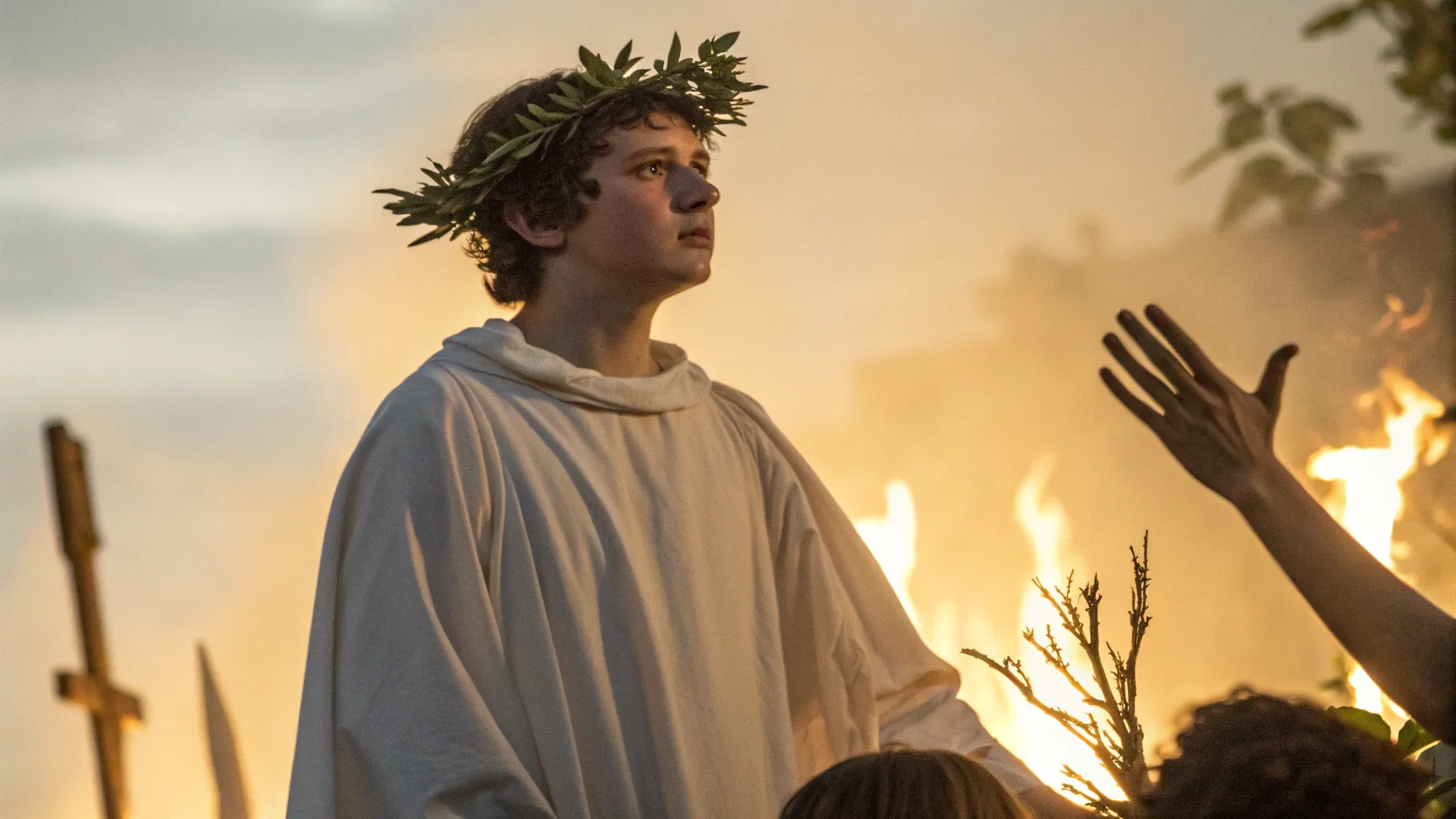
In the rich tapestry of Catholic saints, few figures illuminate the path of faith and charity as brightly as Saint Lawrence, the young deacon whose life and martyrdom continue to inspire countless souls. At Oraciones con Fe, we cherish the stories that nurture our spiritual growth and deepen our commitment to God’s love. Today, we invite you to journey with us through the extraordinary life of Saint Lawrence — a man crowned with laurel, a servant of the poor, and a martyr whose courage and faith transcended even the cruelest of trials.
Saint Lawrence’s story is not merely a historical account but a profound spiritual legacy, a beacon of hope through prayer and divine protection in difficult times. His unwavering dedication to the most vulnerable reminds us that true treasures lie not in earthly riches but in acts of love and service. Let us open our hearts to his example and discover how his journey can guide us in our own prayers to God, inspire our daily devotionals, and strengthen our faith and miracles through the power of prayer.

Early Years: The Seeds of Faith and Charity
Born around the year 225 in the sun-drenched town of Huesca, Aragon, Spain, Lawrence’s life began amidst a world often hostile to the Christian faith. His parents, Elias and Patience, themselves models of Christian virtue, nurtured in him a heart inclined toward God from early childhood. We can imagine young Lawrence gazing at the stars, his innocent questions to his parents revealing a thirst for the divine and a sensitivity uncommon in one so young.
His father, a man of wisdom and piety, planted the seeds of Scripture in Lawrence’s heart, nurturing a faith that blossomed through stories of early Christian martyrs. These stories did not merely educate him; they ignited a fire of courage and compassion that would define his entire existence. As a child, Lawrence’s acts of charity, like giving his cloak to a beggar during a harsh winter, foreshadowed a life devoted to serving Christ in the least of His brothers and sisters.
Living in an empire where pagan worship was the norm and Christianity often faced persecution, Lawrence’s faith was a courageous beacon. Rather than conceal his beliefs, he lived them with joy and authenticity, attracting others with his radiant spirit. It was during this formative period that he encountered Saint Sixtus, a Greek priest who would become his spiritual mentor and guide him to Rome — the heart of early Christendom.

The Call to the Diaconate: A Vocation of Service
Rome welcomed Lawrence not only with its grandeur but also with the tensions of a city where Christians and pagans lived side by side, often uneasily. Under the guidance of Sixtus, who would become Pope Sixtus II, Lawrence immersed himself in sacred studies, demonstrating not only intellectual brilliance but profound humility — a virtue that endeared him to his teachers and peers alike.
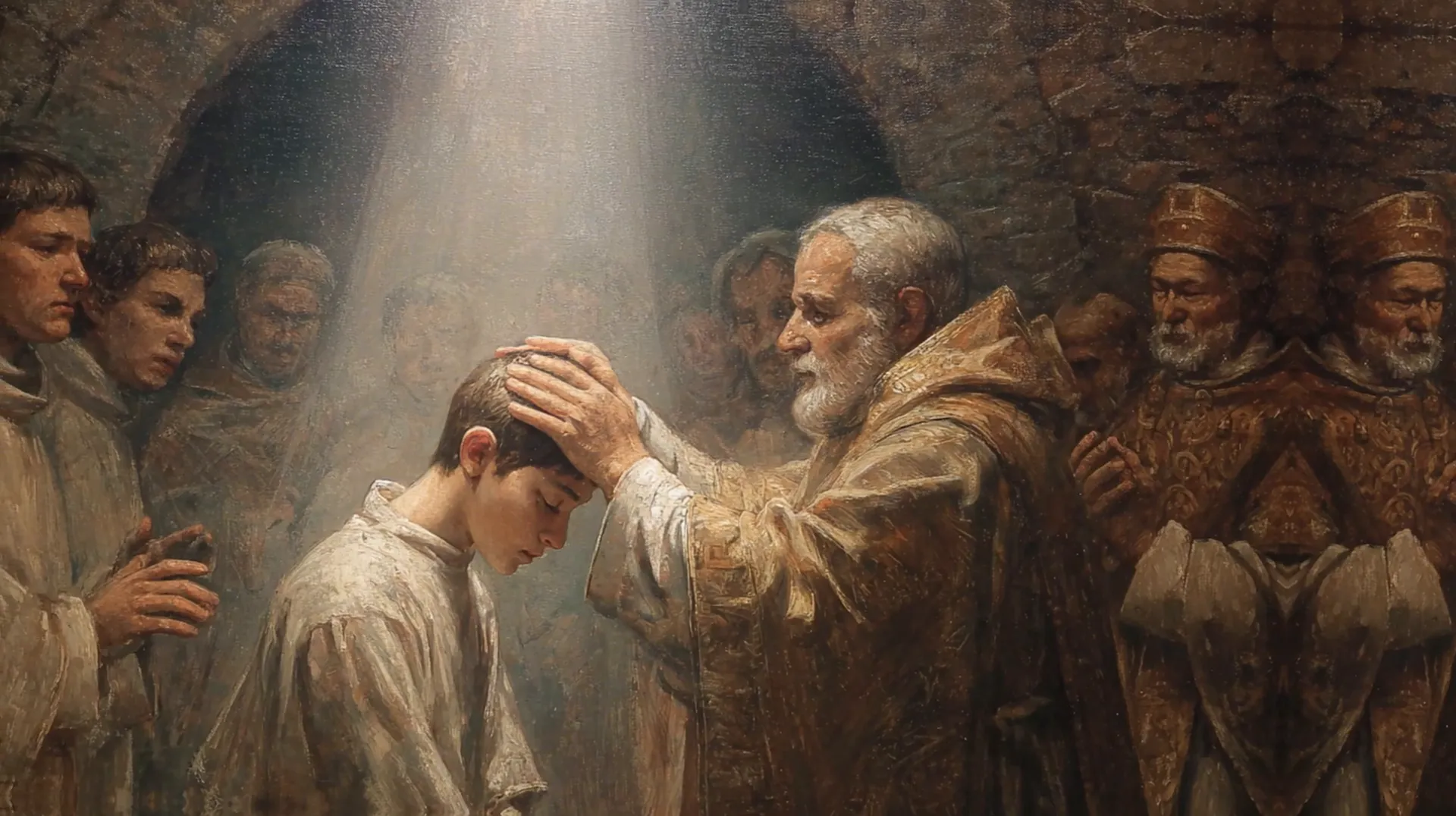
It was in the shadowy catacombs, places of refuge for early Christians, that Lawrence experienced the living presence of Christ. These sanctuaries of faith and brotherly love nurtured his call to diaconal service. In 257, Pope Sixtus II ordained him a deacon, entrusting him with the care of the Church’s temporal goods and, most importantly, the poor, widows, orphans, and sick.
Lawrence’s ministry was not a mere administrative role; it was a divine vocation to embody Christ’s servanthood. His smile and generosity became a balm for many suffering souls in Rome, illustrating that the power of prayer and faith can be expressed through humble acts of love and charity.
The Treasure of the Church: The Poor as Living Riches
Lawrence quickly distinguished himself among Rome’s seven deacons by his impeccable integrity and organizational skill. Pope Sixtus II appointed him archdeacon, a role carrying immense responsibility — managing the Church’s resources and caring for the needy. Lawrence’s meticulous records of those helped were not just administrative but an inventory of the Church’s true treasure: its beloved children.
He often reminded his collaborators, “The goblets of gold and silver serve to honor Christ at the altar, but the poor are Christ himself among us.” This profound insight challenges us today to see the face of Christ in every person in need and to value spiritual riches above material wealth.
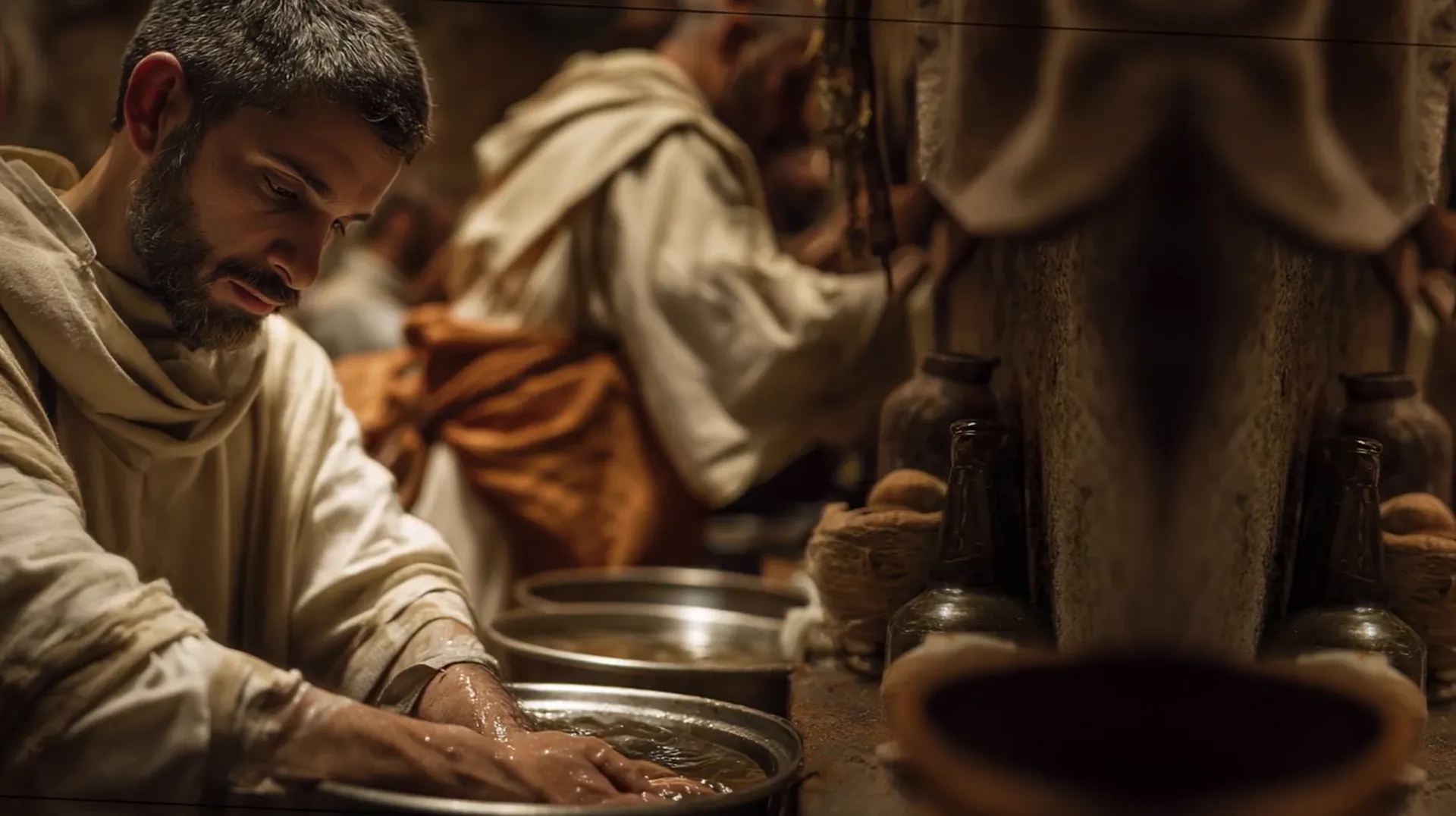
Every day, Lawrence rose before dawn for prayer and Eucharist, then journeyed through Rome’s poorest districts to offer material aid and spiritual solace. His compassion extended even to lepers, whom society often shunned. He embraced them, washed their wounds, and revealed the Redeemer’s face in their suffering. One of his most innovative ministries was creating communities where affluent Christians adopted needy families, fostering bonds that transcended social divides and made visible the communion of the Body of Christ.
Through his ministry, Lawrence became a powerful instrument of evangelization. His charity spoke louder than words, drawing many pagans to the faith by witnessing the transformative power of love grounded in prayer and service.
Valerian’s Persecution: Faith Tested by Fire
In 257, the winds of persecution grew fierce. Emperor Valerian, swayed by an advisor hostile to Christianity, issued edicts forbidding Christian gatherings and ordering the exile or execution of clergy who refused to sacrifice to pagan gods. Fear spread among Christians, yet Lawrence and his companions remained steadfast, strengthened by prayer and divine protection.
Pope Sixtus II convened a secret meeting in the catacombs, urging calm and courage. He reminded them of Christ’s words: “Do not be afraid of those who kill the body but cannot kill the soul.” Lawrence, sitting beside the pope, understood that his own trial was near.
The persecution intensified in 258 with orders for immediate execution of bishops, priests, and deacons. Lawrence worked tirelessly to aid persecuted Christians, distributing food, visiting imprisoned confessors with Holy Communion, and ensuring dignified burials for martyrs. His clandestine prayers and encouragement sustained the community, affirming that the blood of martyrs would be the seed of new believers.
Reflection
In our own prayer for difficult times, Lawrence’s example teaches us to hold fast to hope and divine protection. Even in the darkest moments, faith and prayer light the way, reminding us that earthly trials are temporary, but eternal life awaits those who persevere.
The Arrest of Pope Sixtus II and Lawrence’s Final Mission
On a fateful August day, imperial soldiers stormed the catacombs during Eucharistic celebration, arresting Pope Sixtus II and four deacons. Lawrence, away on a charitable mission, rushed to intercept the procession and pleaded with the pope, “Where are you going, Father, without your son?” Sixtus comforted him, prophesying that Lawrence’s trial would be even more glorious and urging him to distribute the Church’s treasures among the poor before they fell into enemy hands.
Though unable to visit the imprisoned pope, Lawrence received news of Sixtus’ martyrdom and prepared to fulfill his final charge. For two days and nights, he moved through Rome’s poorest quarters, distributing sacred vessels, relics, and donations to widows, orphans, and refugees. Each act was accompanied by words of encouragement and prayer, strengthening the faithful as they faced persecution.
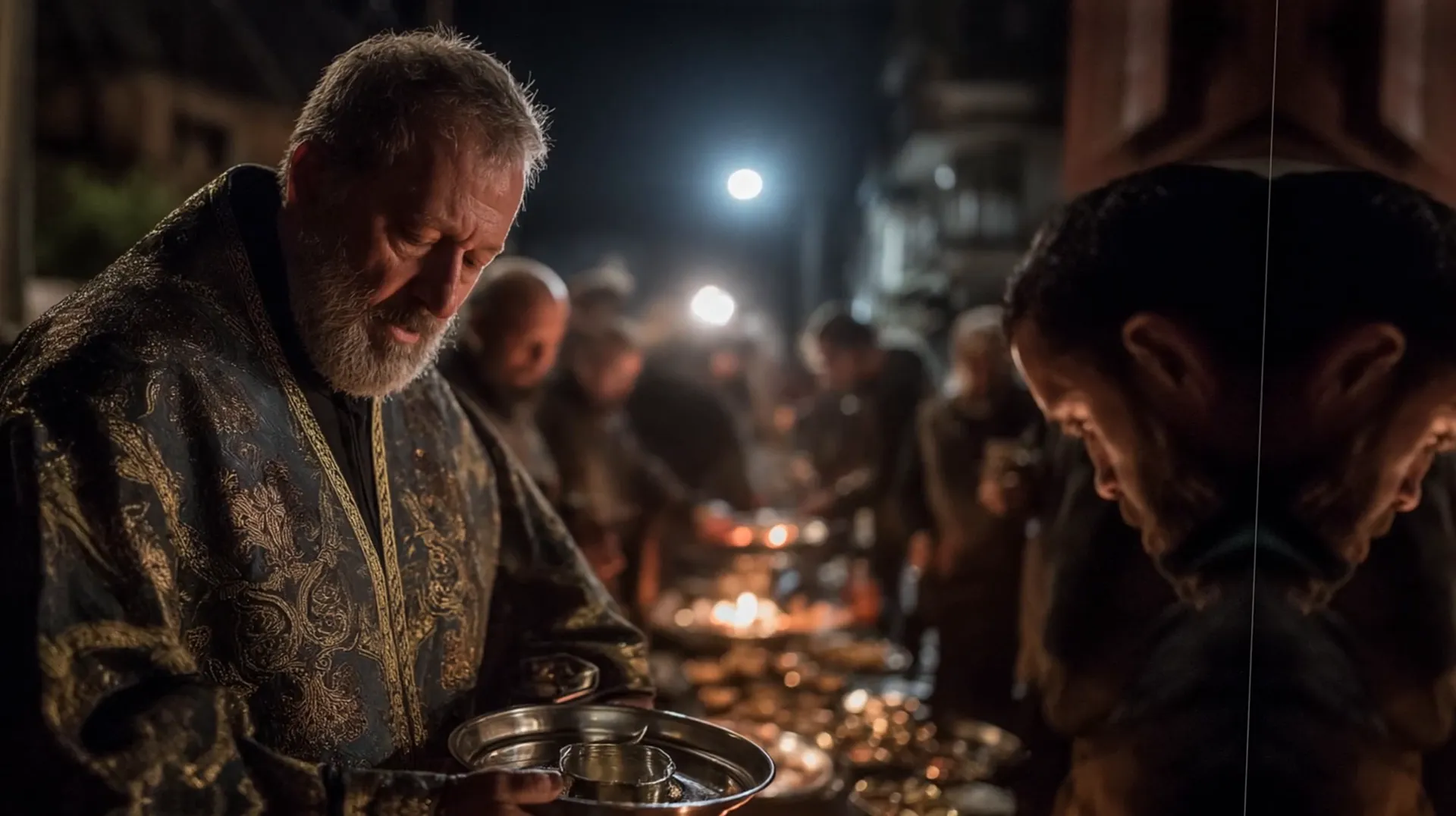
Finally, Lawrence gathered his collaborators, instructing them to preserve some sacred objects for future worship, reminding them that the true treasure was secured in God’s hands through His beloved children.
The True Treasures: Confronting the Prefect
Lawrence was soon arrested by the prefect Cornelius Secular, who demanded the Church’s treasures as a sign of loyalty to the empire. With serene faith, Lawrence requested three days to gather the treasures. But instead of gold or silver, he presented hundreds of poor, crippled, blind, and widowed Christians, declaring:
“Behold, the Church’s treasures. These are the pearls of widows and the jewels of consecrated virgins. Take them and adorn the heavenly city.”
This bold declaration enraged the prefect, who ordered Lawrence’s torture. Yet the deacon’s spirit remained unbroken, and he comforted the poor, assuring them that his death was but a grain of wheat falling to bear fruit.
Spiritual Reflection
Lawrence’s witness invites us to redefine what we treasure. In our prayers to God and daily devotionals, let us ask for the grace to see Christ in the poor and vulnerable, recognizing that true wealth lies in love and service, not possessions.
The Glorious Martyrdom: Triumph of Faith and Humor
Prefect Cornelius, determined to make an example, condemned Lawrence to a slow, painful death on a burning gridiron. Despite the unbearable torment, Lawrence’s faith shone brightly. In a moment that has echoed through history, he declared with holy humor:
“I am roasted on this side. Turn me over and eat.”
This phrase reveals the depth of Lawrence’s spiritual freedom — a victory of love over hatred, faith over fear. His serenity moved many spectators, including pagans who sought baptism after witnessing his courage.
Lawrence’s final prayer for Rome and his peaceful surrender to God’s will remind us that even in suffering, the power of prayer and divine protection sustains the faithful, transforming pain into glory.

Posthumous Miracles and Growing Devotion
After his burial in the Campo Verano, Lawrence’s tomb became a secret pilgrimage site, where countless miracles began to unfold. From healing the sick to restoring sight, his intercession revealed the power of prayer and faith in action.
One remarkable conversion was that of Hippolytus, the soldier who oversaw Lawrence’s execution and later embraced Christianity through the martyr’s witness. His martyrdom soon after exemplifies the transformative power of divine grace.
Saint Lawrence’s patronage grew to encompass protection from fires, patronage of cooks and bakers, and care for the poor — a testament to the enduring breadth of his spiritual legacy.
The Cult of Saint Lawrence: A Legacy Across Continents and Centuries
With the end of persecutions and the rise of Christian emperors, Saint Lawrence’s veneration blossomed publicly. Emperor Constantine built a basilica over his tomb, which became a pilgrimage destination and a symbol of enduring faith.
His cult spread beyond Rome, inspiring majestic monasteries like San Lorenzo de El Escorial in Spain and churches across Europe. With the evangelization of the Americas, devotion to Saint Lawrence crossed oceans, planting seeds of faith in new lands.
The liturgical calendar honors him on August 10 with solemnity, and countless confraternities and charitable institutions bear his name, continuing his mission of service and prayer for protection and healing.
Saint Lawrence in Christian Art and Tradition
Art has long celebrated Saint Lawrence’s heroic faith. From early catacomb frescoes to Renaissance masterpieces by Fra Angelico, Titian, and Caravaggio, his story has inspired generations. Caravaggio’s dramatic chiaroscuro captures the saint’s serene face amidst torment, a powerful image of spiritual victory.
His figure appears in sculpture, poetry, hymns, and sacred music, enriching Christian culture and inviting believers to meditate on faith, charity, and courage.
Popular traditions, especially in Latin America, celebrate his feast with processions, reenactments, and culinary events, keeping his memory alive with joy and reverence.
A Prayer to Saint Lawrence: Our Companion in Faith and Service
As we reflect on Saint Lawrence’s journey, let us unite in prayer, asking for his intercession to strengthen our faith, deepen our charity, and protect us in trials. His example encourages us to embrace the power of prayer, the comfort of divine protection, and the hope through prayer that sustains us every day.
Glorious Saint Lawrence, deacon and martyr of the Church of Christ, who with your exemplary life and heroic death showed us the path of true charity and unwavering fidelity to the Gospel, hear our humble plea as we prostrate ourselves before you with trusting hearts.
Help us to value the imperishable riches of the spirit above the fleeting goods of this world. May we, like you, recognize the face of Christ in every brother and sister in need and serve Him with the same dedication and joy that characterized your ministry.
Strengthen our weakness in daily trials, inspire fidelity in small things, and intercede for all who serve the Church with humility. Protect the poor, the sick, and the helpless, and guide us to transform suffering into an offering pleasing to God.
When our final hour comes, assist us with your powerful protection, so we may serenely surrender our spirit to the Creator, trusting in His infinite mercy and the promise of eternal life through Christ our Lord. Amen.
Conclusion: Walking in the Footsteps of Saint Lawrence
Saint Lawrence’s life is a radiant example of faith and charity woven together through prayer and service. His story reminds us that the true treasures of the Church are not gold or silver but the poor, the sick, and the marginalized whom we are called to love and serve.
At Oraciones con Fe, we are inspired by his courage and joy in suffering, his unwavering hope through prayer, and his profound trust in divine protection. Let us carry forward his legacy by embracing daily prayer devotionals, seeking spiritual guidance, and offering prayers for protection and healing for ourselves and our families.
May the power of prayer and the intercession of the Virgin Mary enrich our lives, and may Saint Lawrence’s example ignite in us a passion for service that transforms our communities and brings glory to God.
We invite you to continue nurturing your faith with us at Oraciones con Fe, where daily prayer devotionals and Christian inspiration await to strengthen your journey.
Preguntas Frecuentes (FAQ)
¿Quién fue San Lorenzo y por qué es tan venerado?
San Lorenzo fue un diácono cristiano del siglo III, conocido por su valentía durante la persecución del emperador Valeriano y por su dedicación a los pobres. Su martirio y su testimonio de fe han inspirado a generaciones de creyentes.
¿Cuál es el significado de la frase “Estoy asado por este lado, voltéame y cómeme”?
Esta frase, pronunciada por San Lorenzo durante su martirio, refleja su humor santo y su victoria espiritual sobre el sufrimiento. Muestra cómo la fe puede transformar el dolor en un acto de amor y esperanza.
¿Cómo puedo seguir el ejemplo de San Lorenzo en mi vida diaria?
Podemos imitar su ejemplo valorando a los pobres, practicando la caridad con alegría, manteniendo la fe en tiempos difíciles y fortaleciendo nuestra vida de oración y devoción diaria.
¿Qué oraciones puedo hacer para pedir la intercesión de San Lorenzo?
Existen diversas oraciones dedicadas a San Lorenzo que piden su ayuda para la protección, la sanación y la fortaleza espiritual. En Oraciones con Fe puedes encontrar oraciones católicas y guías de oración para momentos difíciles.
¿Por qué se celebra la festividad de San Lorenzo el 10 de agosto?
El 10 de agosto es la fecha tradicional del martirio de San Lorenzo. Esta solemnidad ha sido celebrada desde el siglo IV y coincide con la lluvia de meteoros conocida como las Lágrimas de San Lorenzo, que simbolizan el llanto del cielo por su sacrificio.
Que la vida y el ejemplo de San Lorenzo nos sigan guiando y fortaleciendo en nuestra fe y servicio. Que su intercesión nos acompañe siempre, y que nuestras oraciones con fe sean un puente de esperanza y amor en el mundo.